Understanding the Hidden Threat to Your Teeth
Every day, millions of people unknowingly subject their teeth to a silent assault that gradually weakens the very foundation of their dental health. As a dentist Liverpool will explain, dietary acids, found in many common foods and beverages, work steadily beneath the surface to erode tooth enamel—the hard, protective outer layer that shields teeth from decay and damage. Unlike the immediate pain of a cavity or the obvious discomfort of a toothache, acid erosion operates quietly, often going unnoticed until significant damage has already occurred. Understanding how these acids affect dental health is the first step towards protecting one’s smile for years to come.
The science behind acid erosion is both fascinating and concerning. When acidic substances come into contact with teeth, they temporarily soften the enamel by dissolving the minerals that give it strength. Research has shown that the prevalence of dental erosion has increased significantly in recent decades, correlating with changes in dietary habits and beverage consumption. Whilst enamel is the hardest substance in the human body, it remains vulnerable to chemical wear, particularly when exposed to acids with a pH below 5.5. This process, known as demineralisation, occurs each time acidic foods or drinks pass over the teeth, creating microscopic damage that accumulates over time.
Common Culprits in Your Daily Diet
The list of acidic foods and beverages that contribute to enamel erosion might surprise many people. Citrus fruits, whilst packed with beneficial vitamins, contain high levels of citric acid that can wear away at tooth surfaces. Soft drinks, including both regular and diet varieties, rank amongst the most damaging beverages due to their combination of acids and prolonged contact time with teeth. Wine, particularly white wine, carries a significant acidic punch, as do many fruit juices that people often consider healthy alternatives to fizzy drinks.
Beyond the obvious suspects, several everyday items pose unexpected risks. Sports drinks, marketed for their hydrating properties, often contain high levels of acids that can damage tooth enamel during and after exercise. Pickled foods, salad dressings containing vinegar, and even certain herbal teas contribute to the acidic environment in the mouth. For those seeking professional guidance on protecting their teeth, consulting a dentist can provide personalised advice based on individual dietary habits and risk factors.
Recognising the Warning Signs
Identifying acid erosion in its early stages can make a substantial difference in preventing further damage. The initial symptoms often manifest as increased tooth sensitivity, particularly when consuming hot, cold, or sweet foods and beverages. As enamel continues to thin, teeth may appear more yellow due to the underlying dentin becoming visible through the translucent enamel layer. The edges of teeth might become rough, irregular, or slightly transparent, whilst the overall surface can develop a smooth, glossy appearance that differs from healthy enamel texture.
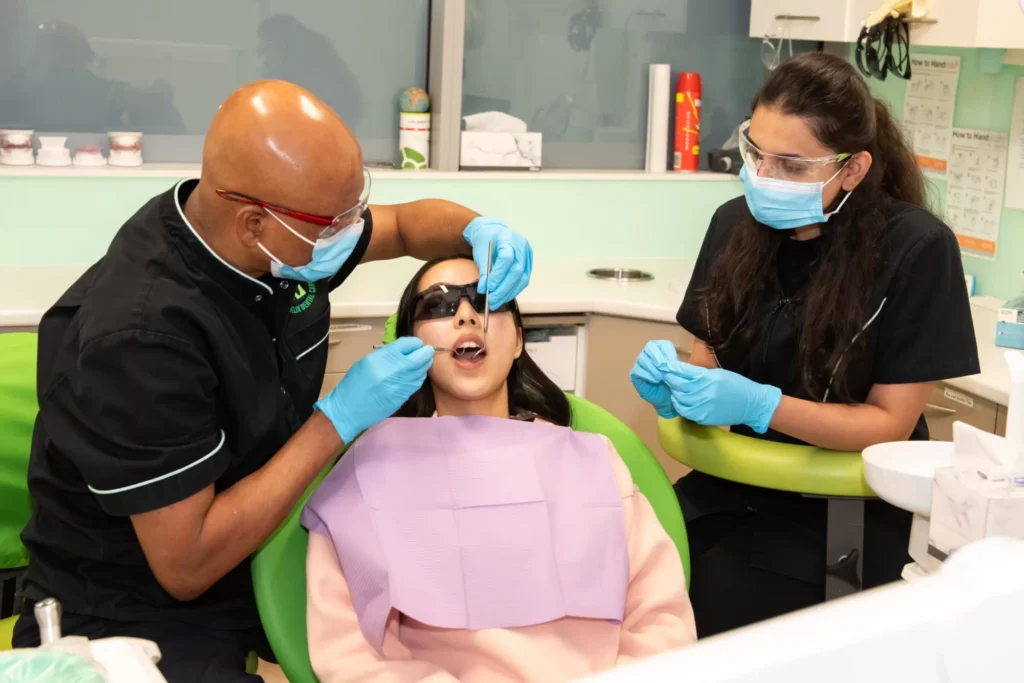
Advanced erosion presents more noticeable changes, including visible indentations on the chewing surfaces of teeth, known as cupping. Fillings may begin to appear raised as the surrounding natural tooth structure wears away more quickly than the restorative material. In severe cases, the overall shape and length of teeth can change, affecting both appearance and function. Regular dental examinations remain crucial for catching these signs early, as professionals can identify erosion patterns that might escape notice during daily brushing.
Practical Strategies for Protection
Fortunately, numerous effective strategies exist to minimise acid erosion whilst still enjoying a varied diet. Timing plays a crucial role in protecting teeth; consuming acidic foods and drinks during mealtimes rather than sipping throughout the day reduces the frequency of acid attacks. Using a straw when drinking acidic beverages helps direct liquid away from teeth, limiting contact time with enamel surfaces.
After consuming acidic items, waiting at least thirty minutes before brushing allows saliva to naturally remineralise softened enamel. Brushing immediately can actually cause additional damage by scrubbing away the temporarily weakened surface. Rinsing with water or chewing sugar-free gum stimulates saliva production, which neutralises acids and aids in the repair process. Understanding the various causes of acid erosion empowers individuals to make informed choices about their dietary habits.
Choosing tooth-friendly alternatives whenever possible makes a significant difference. Selecting cheese or nuts as snacks rather than citrus fruits, opting for water instead of acidic beverages, and incorporating calcium-rich foods into meals all support enamel health.
Protecting Your Smile for the Future
Awareness and action form the foundation of preventing acid erosion from compromising dental health. By understanding which foods and drinks pose risks, recognising early warning signs, and implementing protective strategies, individuals can preserve their enamel and maintain strong, healthy teeth throughout their lives. Small changes in daily habits yield substantial long-term benefits for oral health.