The Remarkable Connection Between Dental Alignment and Respiratory Health
The relationship between orthodontic treatment and breathing patterns has emerged as a fascinating area of dental research, revealing connections that extend far beyond aesthetic improvements. When teeth are misaligned, the consequences often ripple through the entire oral cavity, affecting jaw position, tongue placement, and ultimately, the airway’s structural integrity. Invisalign in Plymouth has proven particularly effective in addressing these interconnected concerns, offering patients benefits that transcend the traditional goals of orthodontic intervention.
Modern orthodontic approaches recognise that tooth position influences the three-dimensional space available for breathing. The palate’s width, the tongue’s resting position, and the mandible’s forward placement all contribute to airway patency. When these elements fall into proper alignment through carefully planned tooth movements, patients frequently report improvements in sleep quality, reduced snoring, and enhanced daytime energy levels. These outcomes stem from the fundamental principle that optimal dental positioning creates optimal oral architecture.
Understanding the Mechanics of Airway-Focused Orthodontics
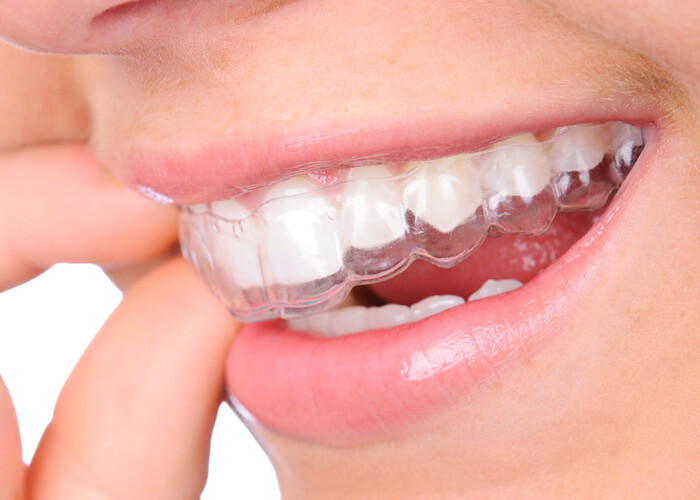
The science behind airway orthodontics and its impact on breathing patterns demonstrates how strategic tooth repositioning can expand the oral cavity. Clear aligners work progressively to widen the dental arches, creating additional space for the tongue to rest in its natural position against the palate. This seemingly simple adjustment has profound implications for nocturnal breathing, as a properly positioned tongue prevents posterior collapse that can obstruct the airway during sleep.
Research has established that orthodontic treatment can significantly influence upper airway dimensions, particularly when treatment focuses on expanding the maxilla and advancing the mandible. These movements increase the pharyngeal space, reducing resistance to airflow and improving oxygen saturation during rest. The sequential nature of clear aligner therapy allows for controlled, gradual changes that the soft tissues can accommodate comfortably, minimising discomfort whilst maximising functional improvements.
Strategic Treatment Planning for Respiratory Enhancement
Arch Expansion and Palatal Development
Transverse deficiency in the maxilla represents one of the most common contributors to compromised airway function. When the upper arch narrows, the nasal floor constricts, impeding nasal breathing and forcing reliance on oral respiration. Invisalign in Plymouth and other locations incorporates expansion protocols that gradually widen the palate, creating space that benefits both dental alignment and respiratory capacity.
Mandibular Advancement and Posterior Airway Space
The position of the lower jaw plays a critical role in determining the volume of the oropharyngeal airway. When the mandible sits too far posteriorly, the tongue base retreats, encroaching upon the breathing passage. Clear aligner treatment can incorporate biomechanical strategies that encourage forward mandibular positioning, utilising precisely calibrated forces and wear protocols. This advancement creates additional space behind the tongue, reducing the likelihood of airway collapse during sleep and improving overall respiratory efficiency.
The correlation between orthodontic intervention and breathing health has prompted practitioners to adopt more comprehensive assessment protocols. Digital imaging technologies now allow clinicians to visualise airway dimensions before, during, and after treatment, providing objective measurements of improvement. These advances have transformed orthodontics from a purely aesthetic discipline into one that addresses functional health concerns with equal rigour.
Long-Term Benefits Beyond Straight Teeth
Patients who undergo clear aligner therapy with airway considerations often experience benefits that extend throughout their lives. Improved nasal breathing supports better oxygenation, which enhances cognitive function, athletic performance, and cardiovascular health. Children who receive early intervention may avoid the development of sleep-disordered breathing patterns that can affect growth, behaviour, and academic achievement. Adults frequently report reduced morning headaches, decreased teeth grinding, and improved partner satisfaction due to reduced snoring.
The progressive nature of Invisalign in Plymouth and beyond allows for continuous monitoring and adjustment, ensuring that tooth movements contribute positively to airway dimensions. This flexibility represents a significant advantage over traditional fixed appliances, as treatment can be modified in response to patient feedback and evolving clinical observations. The ability to remove aligners also facilitates superior oral hygiene, reducing the risk of periodontal complications that might otherwise compromise treatment outcomes.
The Future of Integrated Orthodontic Care
As awareness grows regarding the connection between dental alignment and respiratory function, orthodontic practice continues to evolve towards more holistic treatment philosophies. Clear aligner therapy stands at the forefront of this transformation, offering patients the opportunity to address both aesthetic concerns and functional health issues simultaneously. The integration of airway assessment into routine orthodontic evaluation represents a paradigm shift that prioritises comprehensive wellbeing over isolated cosmetic improvements, ultimately delivering results that enhance quality of life in measurable, meaningful ways.